

The Tyne's Shipbuilding Heritage: A Self-Guided Walk Through Wallsend and Jarrow
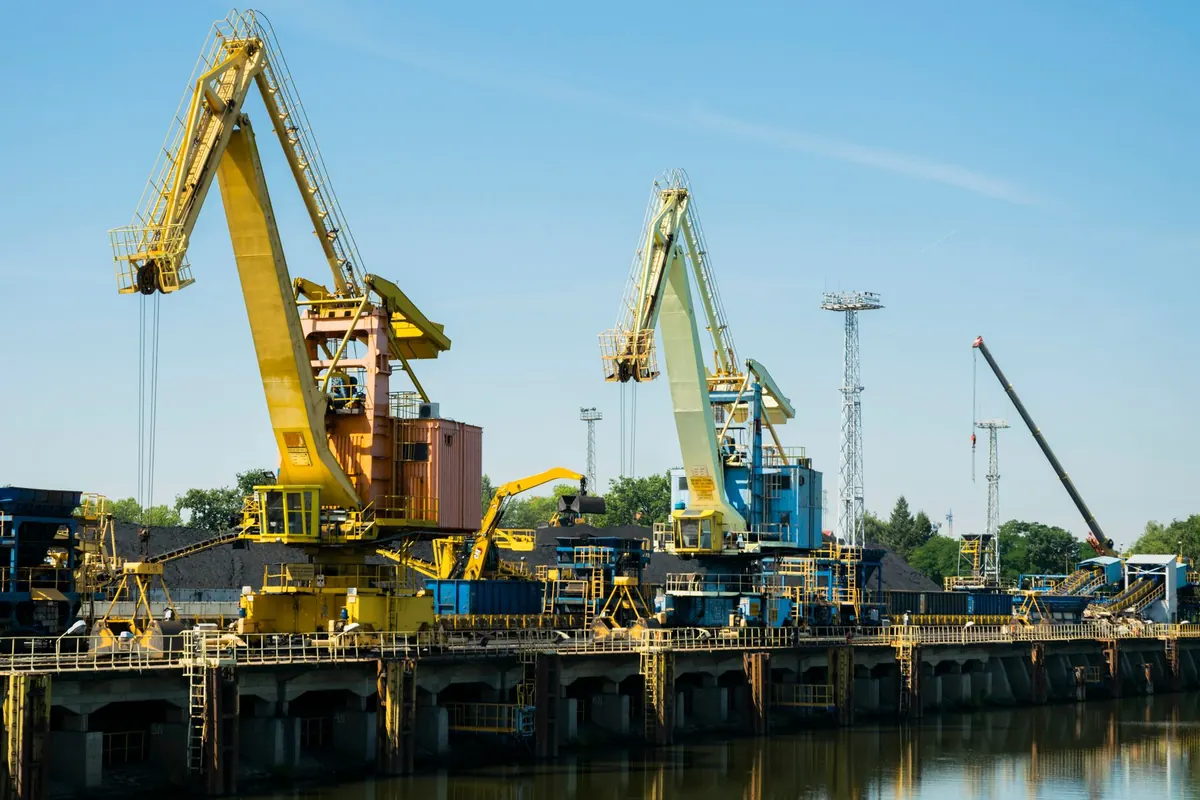
The Tyne's shipbuilding story usually arrives in photographs: grey hulls on grey water, cranes against a flat sky. It is better walked. Between Wallsend on the north bank and Jarrow on the south, the river narrows into the channel where the great yards stood, and the whole arc of it is still readable on the ground. Roman fort, engine works, slipways, launch crowds, closure, and the march that followed.
This route links those sites in a single day on foot, crossing the river through the Tyne Pedestrian and Cyclist Tunnels. Call it five to six miles with stops. It is mostly flat and on made paths, but there is no single waymarked trail, so treat what follows as a pick-and-mix itinerary rather than a strict line to follow.
Before You Set Off
Begin at Wallsend Metro station, where the signs are in Latin as well as English. It is a five-minute walk to Segedunum, so do the fort first while you are fresh and the museum is quiet. Then head east along the north bank, cross under the river at Howdon, and finish at Jarrow. Reverse the direction if the forecast suits it better, or split the walk in two: both ends have Metro stations and buses, so you can step off at almost any point.
Wear something you do not mind getting muddy and take a windproof layer, because the river funnel at Howdon is exposed even on a mild day. Check opening times for Segedunum and Jarrow Hall before you travel; both run seasonal hours and neither is open every day of the week. Check the tunnel's status too, as it closes periodically for maintenance.
Wallsend: Fort, Slipway, Shipyard
Segedunum was the eastern end of Hadrian's Wall, and the fort sits almost on top of the old shipyard ground. The viewing tower gives you the best orientation available: the river bend, the grid of terraced streets, and the flat land where the yards spread out towards the water. Spend an hour here and the rest of the walk makes more sense.
Down by the river you are standing in the heart of it. Swan Hunter's Wallsend yard launched the Mauretania in 1906, and the Carpathia, the ship that answered Titanic's distress call, a few years earlier. The yard closed in 2006 and its cranes were dismantled and shipped overseas, so the skyline is emptier than the photographs suggest. What is left is quieter and, in its way, more affecting.
What survives on the ground
- Sandstone quay walls, iron bollards and capstans worn smooth by ropes.
- Fitting-out quays where hulls were finished afloat after launch.
- Engine and boiler works buildings, several now converted to other uses.
- Street names that remember yards, ships and the men who built them.
- Information panels along the riverside path, worth reading properly rather than skimming.
The North Bank: Willington Quay to Howdon
Follow the shared riverside path east. It is used by cyclists as well as walkers, so keep left and listen for bells. Across the water you can see the Jarrow bank the whole way, which is the point of doing this stretch on foot: the two sides of the river stay in view of each other.
At Willington Quay, the cottages are gone but the story is not. Robert Stephenson was born here in 1803 while his father George was working locally, before the railways made either of them famous. From Willington the path runs on to Howdon, where the northern entrance to the pedestrian tunnel sits beside the road tunnel approach.
Under the River
The Tyne Pedestrian and Cyclist Tunnels opened in 1951, built because workers needed a reliable way across when the ferries could not run. There are two tubes: one for walkers, one for cyclists, with lifts at each end. After a long closure for refurbishment, the tunnel reopened at the end of the 2010s and it remains the most memorable half-mile of this walk.
Inside, the tiles glow, footsteps echo, and the floor dips down and rises again as you pass beneath the navigation channel. It is cool in summer and mercifully sheltered in winter. Take your time. There is something fitting about crossing the river underground after a morning spent looking at the water.
Jarrow: Bede, Palmers and the March
Come up on the south bank and walk into Jarrow. The monastery was founded in the seventh century, and Bede came here as a boy, spending most of his life in the community and writing the history that earned him his reputation. St Paul's Church, with its Saxon tower, still stands beside the site, and the wooden chair traditionally linked with Bede is kept there. Jarrow Hall nearby tells the Anglo-Saxon story and keeps a farm of period breeds.
Then walk down to the river, because Jarrow's other history is industrial. Palmers Shipbuilding and Iron Company built ships here for decades, and its closure in the 1930s took thousands of jobs with it. In October 1936, around two hundred men from the town marched to London with a petition about unemployment. Look for the memorials and panels that mark both the yard and the crusade; they are modest, and easy to walk past if you are not looking.
Jarrow Slake and the river's edge
Below the church, Jarrow Slake is the tidal inlet where the River Don meets the Tyne. It fills and empties twice a day and draws waders and wildfowl, so bring binoculars if you have them. Mudflats are not for walking on, however firm they look from the path. If you want to extend the day, the waymarked Bede's Way starts at St Paul's and runs to Monkwearmouth, roughly a dozen miles along the south bank.
Practical Notes
Allow three to four hours of walking, or most of a day with museum stops. The ground is pavement, tarmac and compacted riverside path; trainers are fine in dry weather, but the quayside sections hold puddles after rain. There are cafes and toilets in Wallsend and Jarrow town centres, and the tunnel has facilities at both entrances.
If you want a shorter version, do Wallsend to Howdon, cross the tunnel, and return the same way. For a longer one, continue south from Jarrow along the riverside towards Hebburn. Bus and Metro services link the two towns, so you can leave a car at either end. And keep an eye on the tide tables if you plan to linger on the Jarrow bank: the river changes character completely between high and low water, which is exactly what the shipbuilders learned to work with.
Photo: SHOX ART / Pexels